

06:00 - 18:00
Always Open
NA
NO
NO
NA
NO
Adult
0
Child
0
Adult
0
Child
0
Adult
0
Child
0
0.0 
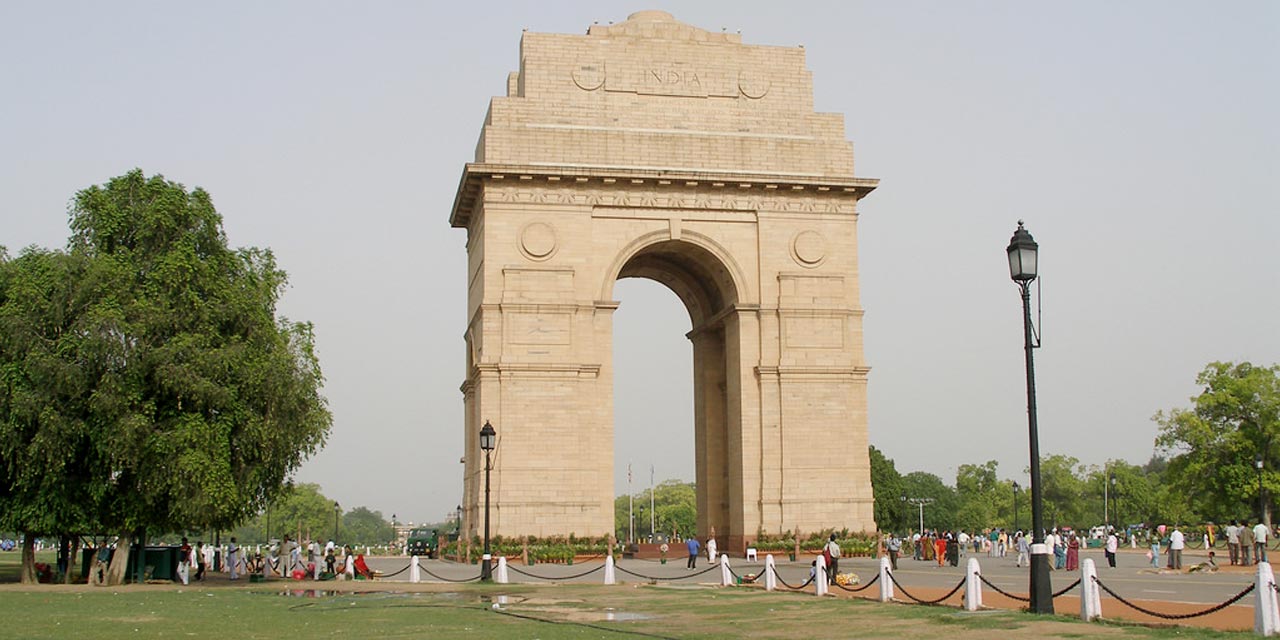
A popular monument in India, India Gate stands majestically, presenting an awe-inspiring sight. Formerly known as Kingsway, India Gate construction was completed in 1931. India Gate Delhi has been a symbol of sacrifice and dedication of India soldiers.
Designed by Edwin Lutyens, it was constructed in the honour of 90,000 Indian soldiers who lost their life in the World War I. Also known as India War Memorial, it also has 13,516 names of Indian and British soldiers engraved on its arch and foundations. These soldiers lost their lives during the Afghan War of 1919.
Amar Jawan Jyoti, which is also an important part of India Gate, was built later as a tribute to Indian soldiers who laid down their lives in the Indo-Pakistan War of December 1971.
0.0
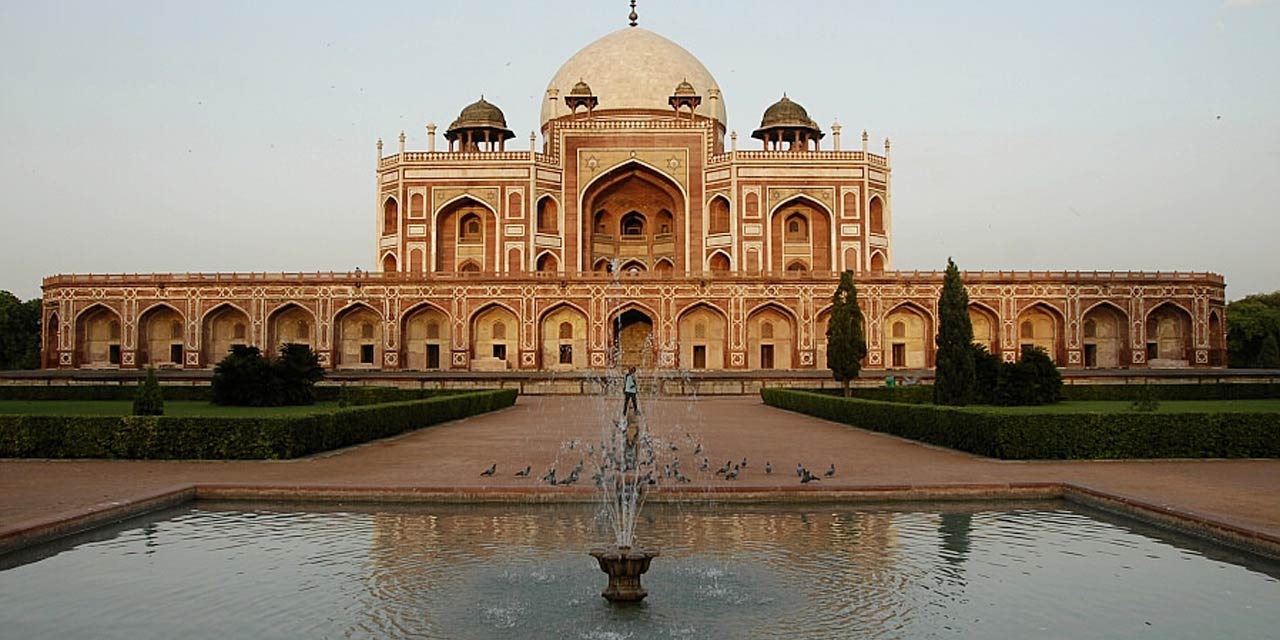
Humayun died in 1556, and his widow Hamida Banu Begam, also known as Haji Begam, commenced the construction of his tomb in 1569, fourteen years after his death. It is the first distinct example of proper Mughal style, which was inspired by Persian architecture. It is well known that Humayun picked up the principles of Persian architecture during his exile, and he himself is likely to have planned the tomb, although there is no record to that effect. The tomb was constructed at a cost of 15 lakh rupees (1.5 million). Mirak Mirza Ghiyath, a Persian, was the architect employed by Haji Begam for this tomb.
0.0
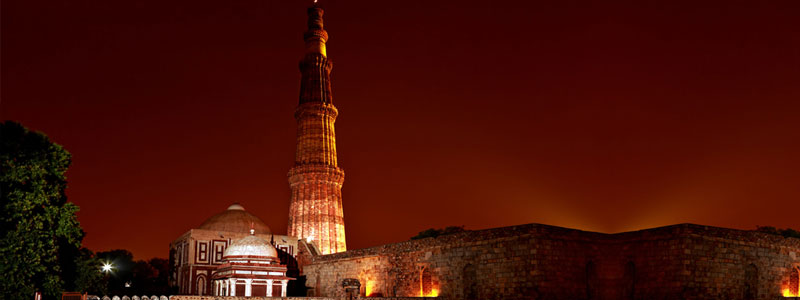
One of the most popular places to see in Delhi, Qutub Minar (Hindi: क़ुतुब मीनार, Urdu: قطب مینار) is a UNESCO World Heritage Site, presenting a glimpse into the grandeur of the past. Owing to its worldwide popularity Qutub Minar has become an integral part of every Delhi Tour.
Delhi Qutub Minar boasts of being one of the tallest minarets in the world as the height of Qutub Minar is 72.5 meters. Built in 1192 by Qutab-ud-din Aibak, it is considered to be first building, marking the arrival of Muslim rulers in the country. Although there are also a few contradicting theories on the same.
0.0
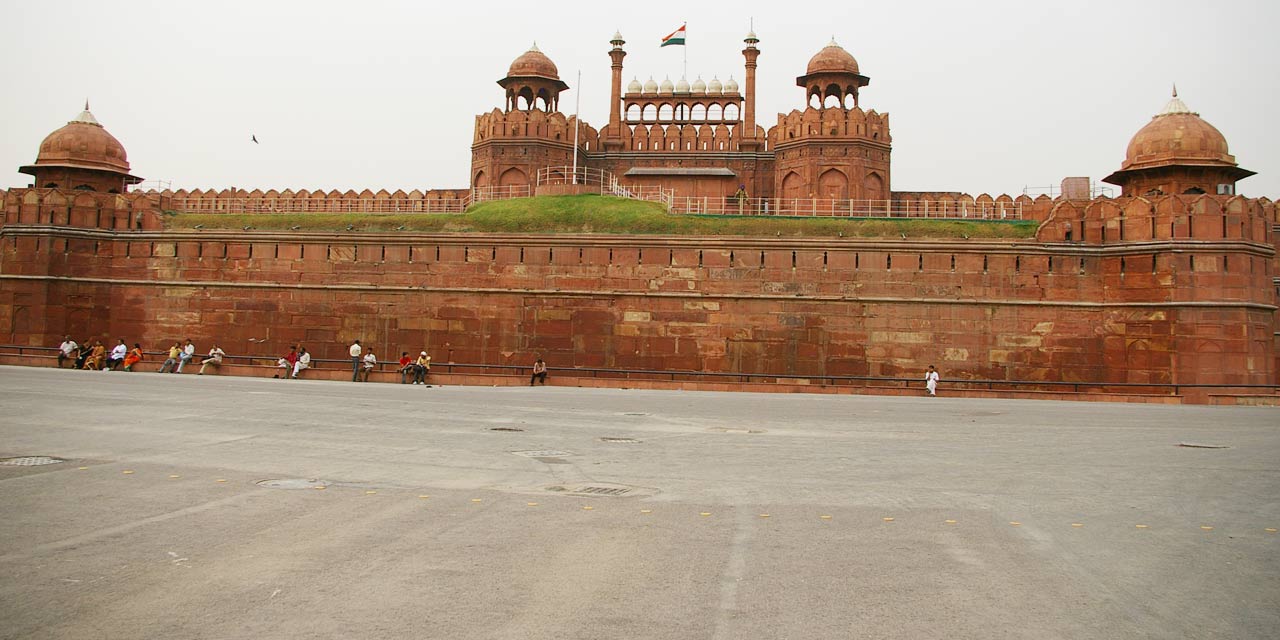
A Delhi Tour is synonymous with a trip of Red Fort, famously called as Lal Kila of Delhi (Urdu: لال قلعہ, Hindi: लाल क़िला). Originally Red Fort was known as 'Qila-I-Mubarak' (Urdu: قلعہ مبارک, Hindi: क़िला मुबारक), meaning a residence for the royal family. Comprising of many buildings with intricate carvings, floral motifs, double domes and majestic defence wall of around 2.5 km, Red fort is spread over an area of 255 acres.
Built as palace of Shahjahanabad which was the capital city of fifth Mughal emperor it is now one of the most popular monuments not only of Delhi but of India. It was Emperor Shah Jahan who built Red Fort; he also created another popular architecture of India- Taj Mahal of Agra. Owing to the red sandstone used for its construction, this fort is called as Red Fort.
With an impressive structure of red sandstone and rich historical background and a prominent national importance, Red Fort Delhi is a place which must be visited by all. Delhi Red Fort has been recognized as a UNESCO world heritage site too.
0.0
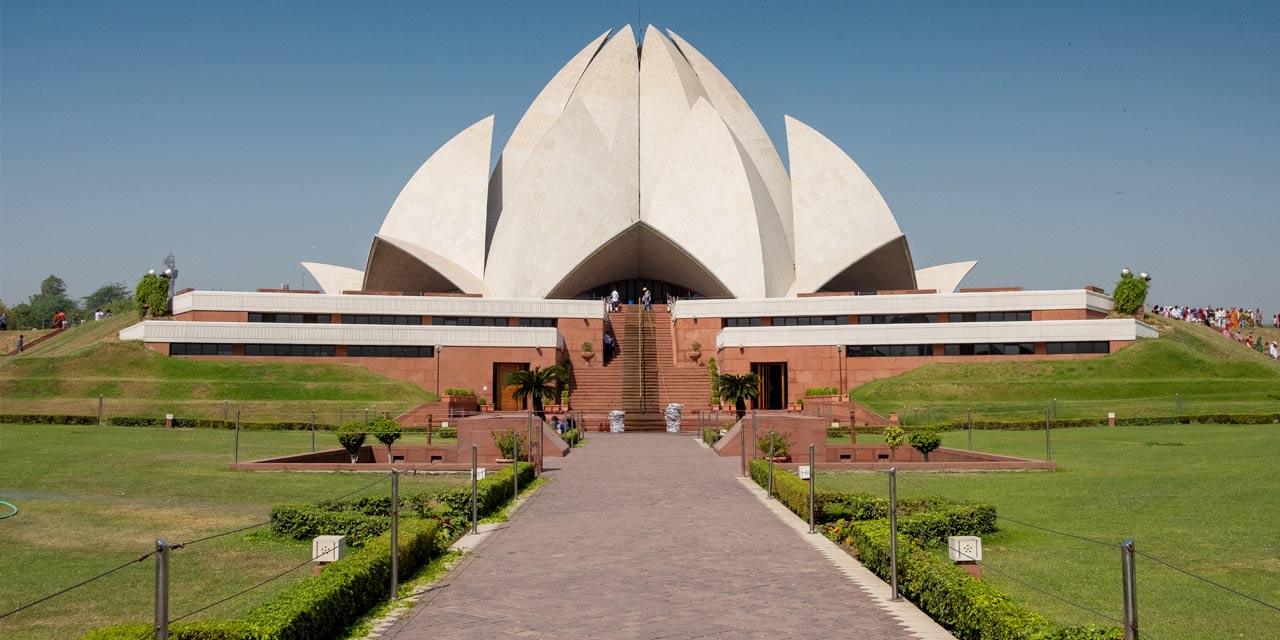
Lotus Temple Delhi is one of the most sought after places to visit, attracting tourists from all over the world. It is one of the seven major Bahai’s temples in the world. Located to the eastern side of Nehru Place, Bahai Temple Delhi was built in 1986 and since then it has been mesmerising visitors with its structural beauty and symbolism of oneness. The lush green landscapes around the main structure add further to its entrancing beauty.
0.0
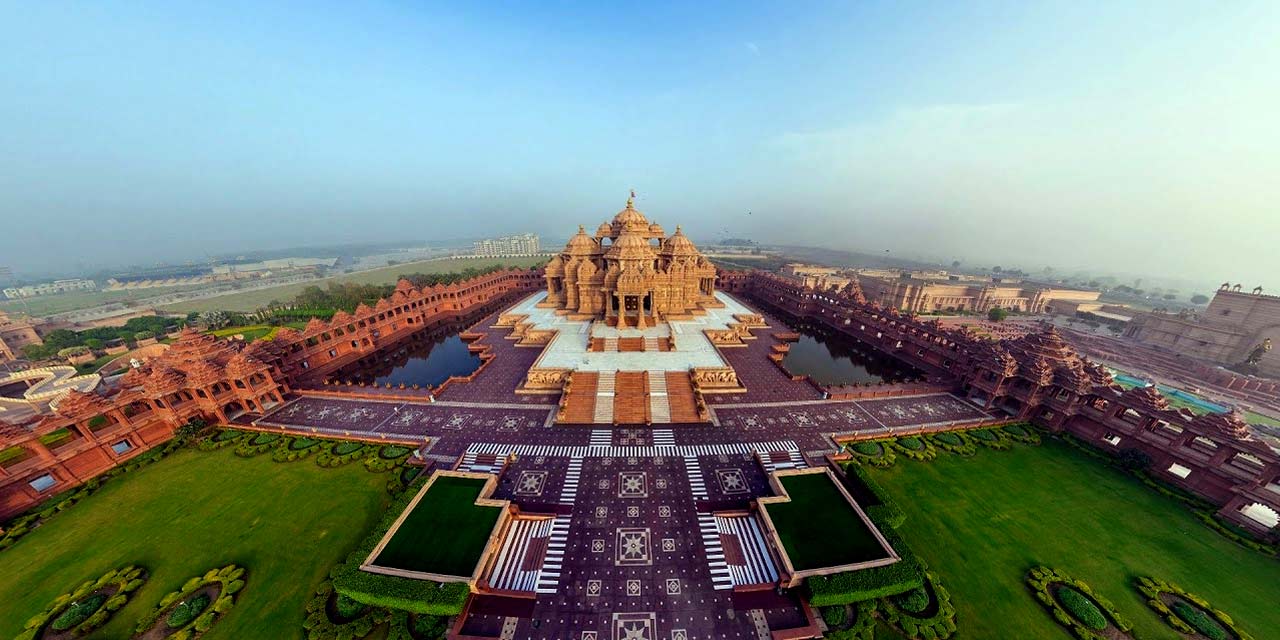
The word Akshardham means the residence of the Lord in Swaminarayan Hinduism. It represents the tranquility and holiness of the place where believers worship God and seek their blessings. It is considered the house of God on earth. Swami Narayan Akshardham Delhi is not only a temple but also a cultural and spiritual campus where various activities and exhibitions related to the Hindu religion and harmony are held. This temple has a Guinness world record for being the largest comprehensive Hindu Temple in the world.
0.0
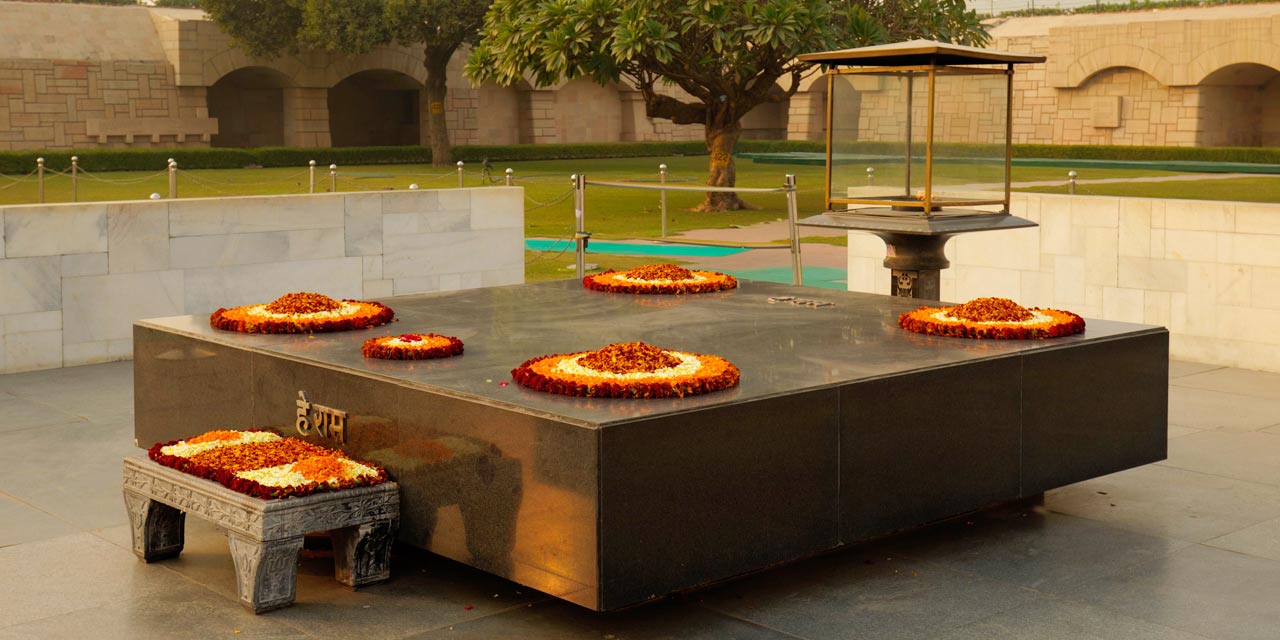
Dedicated to father of the nation, Mahatma Gandhi, Raj Ghat is a memorial located in New Delhi, which was built after he was assassinated when on his way to the meeting at the Birla house. Earlier an ancient Ghat on the banks of River Yamuna was called Raj Ghat.
0.0
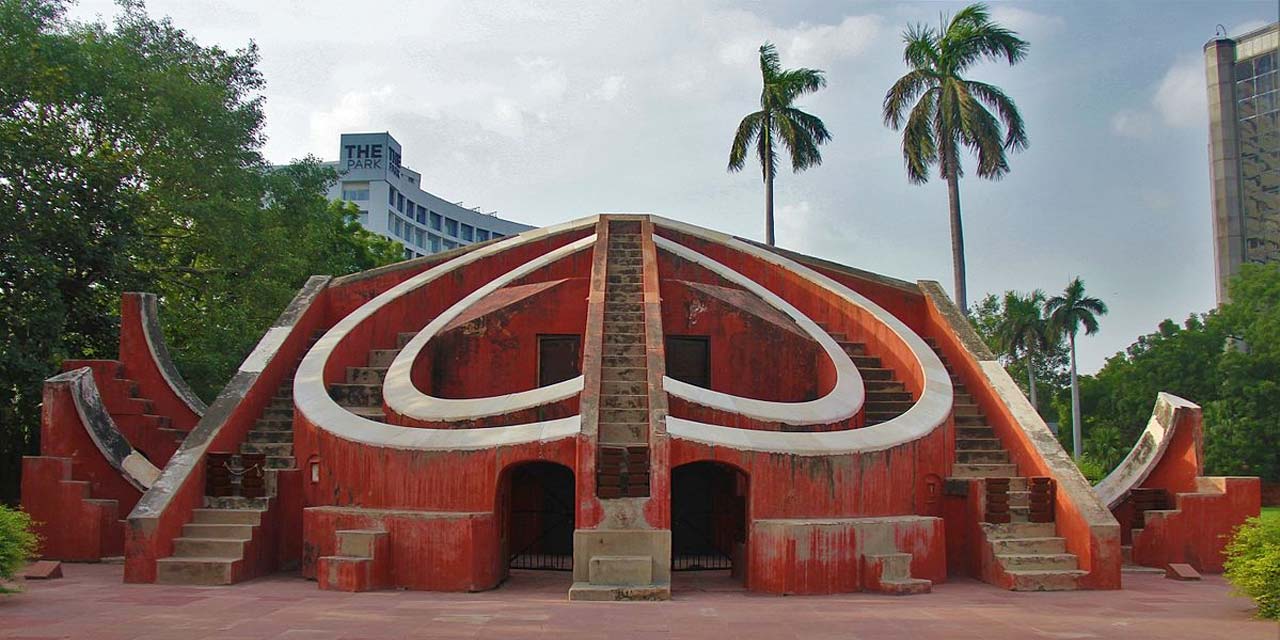
The Jantar Mantar, an observatory consisting of masonry built astronomical instruments lis on the Parliament Street, south of Connaught Circus in New Delhi. These instruments were erected by Maharaja Jai Singh II of Jaipur (1699 – 1743 AD), who was keenly interested in astronomical observations and studied all systems, western and eastern, before embarking on his constructions. Initially he built metal instruments some of which are still preserved in Jaipur, but later discarded them.